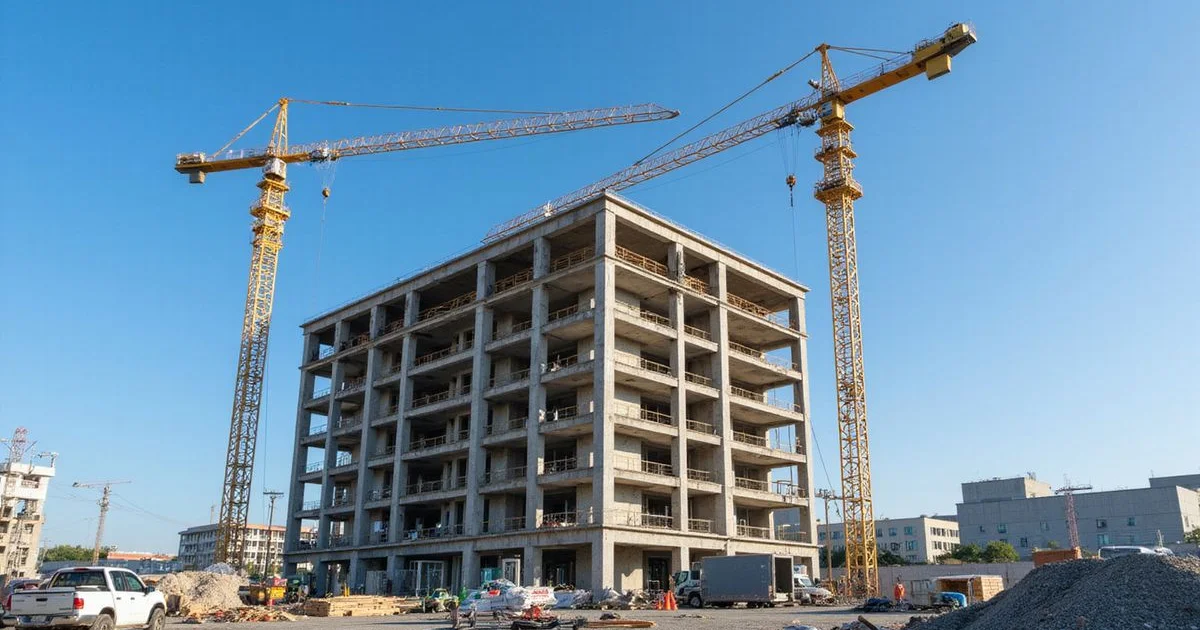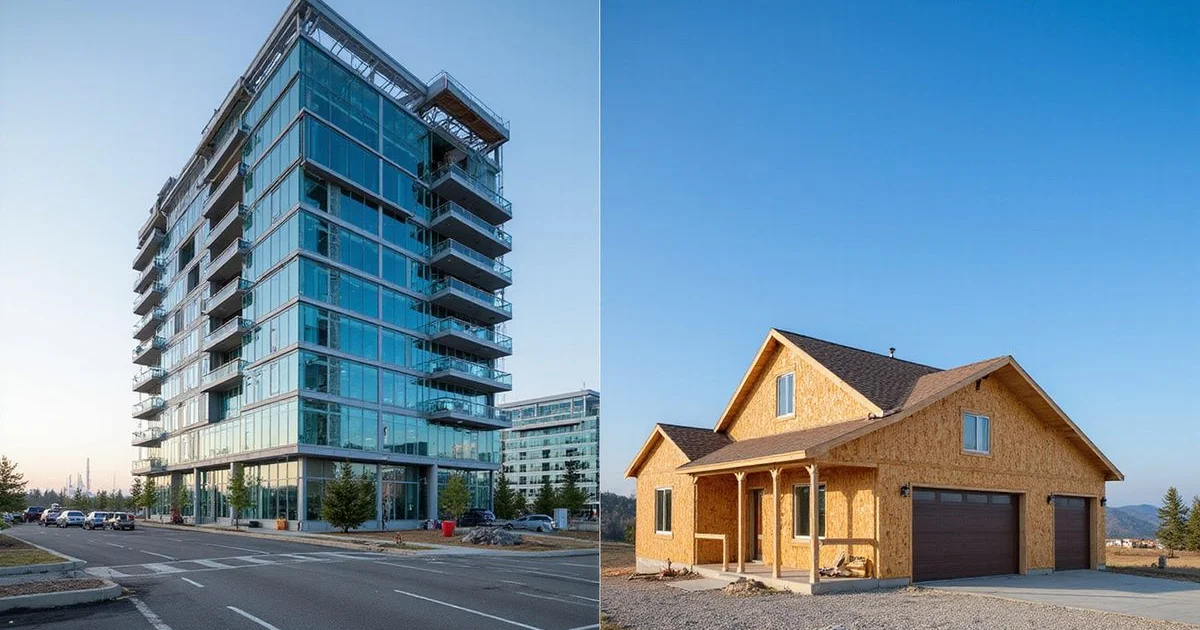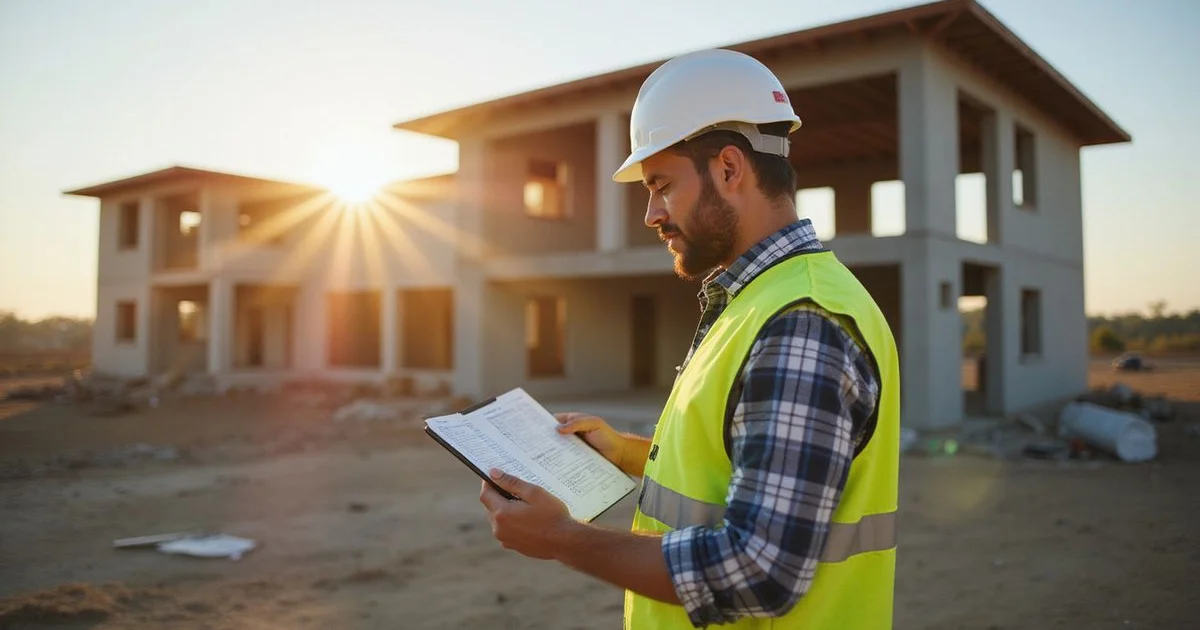
Construction cost overruns are one of the most persistent frustrations we face in this industry. Research consistently shows that the majority of construction projects exceed their original budgets. In Canada, recent data suggests that large projects frequently overshoot by 10% to 30%.
For contractors, these overruns erode already thin profit margins.
For owners, they strain financing and delay project completion dates.
The good news is that most cost overruns are preventable. They stem from a handful of common causes that experienced teams can identify and mitigate before breaking ground.
We see this pattern repeat across residential, commercial, and industrial sectors.
In this article, we examine the five most common causes of construction cost overruns and provide actionable strategies to prevent each one.
1. Inaccurate Initial Estimates
The most fundamental cause of cost overruns is an inaccurate starting estimate. When the baseline numbers are wrong, everything built on them is wrong too. Budgets, financing, and profit projections all collapse if the initial math does not hold up.
In our experience, many projects fail before the first shovel hits the ground because they rely on “Class D” or “Class C” estimates (rough orders of magnitude) for too long. According to the Canadian Institute of Quantity Surveyors (CIQS), a Class D estimate can vary by up to 30%. You cannot build a fixed-price contract on that level of uncertainty.
Why Estimates Go Wrong
- Insufficient takeoff detail: Missing quantities for materials, trades, or building systems often lead to massive gaps.
- Outdated pricing data: Using cost data from 2023 or 2024 does not reflect current market conditions in 2026.
- National averages instead of local pricing: A cubic metre of concrete in Toronto costs significantly more than in rural Manitoba due to labour and transport differences.
- Optimistic assumptions: Underestimating labour productivity or material waste is a classic mistake.
- Scope gaps: Failing to account for work shown in specifications but not on drawings is a frequent oversight.
How to Prevent It
The single most effective way to prevent estimating errors is to invest in professional-quality estimates at the project’s outset. This means moving beyond “square foot” pricing as quickly as possible.
We recommend using current, localized cost data from sources like the Altus Group Construction Cost Guide or verified local supplier quotes.
You should perform detailed digital takeoffs from complete construction documents using software like PlanSwift or Bluebeam Revu.
Having estimates reviewed by a second estimator provides a critical safety net.
Including appropriate contingency based on the project’s risk profile is essential.
Using professional estimating services when projects exceed your team’s expertise can save you thousands in the long run.
An accurate baseline estimate is your first and best defense against cost overruns.
| Estimating Method | Typical Accuracy Variance | Best Use Case |
|---|---|---|
| Square Foot Analysis | +/- 20-30% | Initial Feasibility Studies |
| Assembly Estimating | +/- 10-15% | Schematic Design Budgeting |
| Detailed Unit Cost | +/- 5% | Final Tender / Construction Bid |
2. Scope Changes and Change Orders
Scope changes are inevitable in construction. Owners change their minds. Designers discover conflicts. Field conditions differ from what the drawings show.
The problem is not that changes occur. It is that teams often fail to manage them effectively.
A 2024 industry report indicated that rework and scope changes account for nearly 5% of total construction costs on average.
Common Sources of Scope Change
- Owner-requested modifications after construction begins.
- Design errors and omissions discovered during construction.
- Unforeseen site conditions (soil issues, existing utility conflicts).
- Code compliance issues identified during inspections.
- Value engineering changes that trigger ripple effects.
How to Prevent It
While you cannot eliminate all scope changes, you can minimize their impact through rigorous documentation.
Thorough pre-construction planning is your best tool. Identify potential issues before construction starts through detailed plan review and constructability analysis.
Clear scope definitions prevent arguments later. Ensure every subcontractor scope is explicitly defined in writing, referencing specific CCDC contract clauses where applicable.
Change order pricing protocols must be set early. Establish unit prices and markup rates upfront in the contract to avoid price gouging during the project.
Design team coordination reduces conflicts. Require the design team to resolve drawing conflicts before bidding.
Owner decision timelines keep the project moving. Set deadlines for owner selections and decisions to prevent late changes that disrupt the critical path.
Pro Tip: Beware of the “zero dollar” change order. Just because a material swap has the same cost doesn’t mean it has the same lead time or labour requirement. Always evaluate the schedule impact of every change, even the small ones.
3. Poor Project Scheduling
Time is money in construction. Delays extend general conditions costs. They cause trade stacking (too many crews in the same space). They trigger liquidated damages on deadline-sensitive projects.
In Canada, weather plays a massive role in schedule-related costs. Missing a “close-in” date before winter can increase heating and hoarding costs by thousands of dollars per month.
Schedule-Related Cost Drivers
- Unrealistic timelines: Schedules that do not account for weather, procurement lead times, or inspection delays set the team up for failure.
- Poor sequencing: Trade activities scheduled out of logical order cause rework and inefficiency.
- Material delivery delays: Long-lead items not ordered early enough halt progress.
- Subcontractor coordination failures: Multiple trades competing for the same work areas slash productivity.
How to Prevent It
We advise developing a CPM (Critical Path Method) schedule before construction begins using tools like Microsoft Project or Primavera P6.
Identify and procure long-lead materials during pre-construction.
Build weather contingency into the schedule (especially for exterior work). If you are building in Canada between November and March, assume 15-20% productivity loss for outdoor trades.
Conduct regular schedule update meetings with all subcontractors.
Monitor the critical path and address delays immediately before they compound.
4. Material Price Escalation
Construction material prices can fluctuate significantly over the life of a project. Lumber, steel, copper, and petroleum-based products are particularly volatile.
A project estimated in January may cost 10-15% more in materials by the time those materials are actually purchased six months later. According to Statistics Canada’s Building Construction Price Index, residential building construction costs rose by 6% in 2023 alone, driven largely by material costs.
Recent Price Volatility Examples
The construction industry has experienced unprecedented material price volatility in recent years. Steel prices have swung 30-50% within single calendar years. Lumber prices have seen even larger fluctuations. Electrical components, particularly copper wire and panel boards, have seen sustained price increases.
How to Prevent It
Escalation provisions protect your bottom line. Include material escalation clauses in your contracts that trigger if prices rise beyond a certain percentage (e.g., 5%).
Early procurement locks in costs. Secure prices by purchasing materials early and storing them. You can bill for “stored materials” if your contract allows it.
Supplier agreements add stability. Negotiate fixed-price supply agreements for key materials like lumber packages or concrete.
Market monitoring keeps you informed. Track price trends for your highest-cost materials using weekly reports.
Alternative materials offer flexibility. Identify equivalent substitutes that may be available at lower cost through value engineering.
5. Inadequate Risk Management
Every construction project carries risk. The contractors who consistently deliver on budget are not the ones who avoid risk. They are the ones who identify, quantify, and manage it proactively.
A common oversight is failing to account for the skilled labour shortage. BuildForce Canada projects a recruitment gap of tens of thousands of workers over the next decade. This shortage drives up labour rates and extends schedules.
Commonly Underestimated Risks
- Subsurface conditions: Soil issues, groundwater, contamination, and buried obstructions.
- Weather delays: Particularly for projects with extensive site work or exterior enclosure.
- Labour availability: Skilled trade shortages that drive up labour costs.
- Regulatory delays: Permit processing, inspections, and code interpretation changes.
- Subcontractor default: A subcontractor who fails to perform, requiring replacement at higher cost.
How to Prevent It
Geotechnical investigation is mandatory. Always perform soil testing before finalizing the estimate to avoid expensive surprises like rock excavation or dewatering.
Contingency budgets must be realistic. Maintain appropriate contingency reserves (5-10% for commercial, 3-5% for residential).
Insurance review protects against catastrophe. Ensure builder’s risk, liability, and subcontractor insurance coverage is adequate.
Subcontractor vetting reduces default risk. Pre-qualify subcontractors based on financial stability and track record, not just the lowest price.
Regular cost reporting provides visibility. Track actual costs against the estimate throughout the project to identify trends early.
The Bottom Line
Construction cost overruns are not random events. They are predictable consequences of identifiable causes.
By investing in accurate initial estimates, managing scope changes proactively, scheduling realistically, accounting for material price volatility, and implementing structured risk management, contractors and owners can dramatically reduce the frequency and severity of budget overruns.
At PRO Estimating, we help contractors start every project with accurate, detailed estimates that serve as a reliable foundation for budgeting and bidding. Our 25+ years of estimating data means we know where costs hide.
We make sure they are captured in the numbers before you commit to a price.