
Reduce Costs Without Compromising Quality Through Value Engineering
Analyzing construction projects to find cost-saving alternatives without sacrificing quality, performance, or design intent.
What Is Value Engineering?
Value engineering (VE) is a systematic method of analyzing construction projects to identify opportunities for cost savings without sacrificing quality, performance, or design intent. It is not about cutting corners. It is about finding smarter, more efficient ways to achieve the same results.
At PRO Estimating, our value engineering service leverages 25+ years of estimating data across thousands of projects. We know which materials, systems, and construction methods deliver the best value because we have seen what works and what does not across every building type.
When Value Engineering Makes Sense
Value engineering is most effective when applied at the right time:
- Pre-construction - Before bidding, to align the design with the budget
- Budget overruns - When the estimate exceeds the owner’s budget
- Competitive bidding - To find cost advantages over competitors
- Change orders - To propose cost-neutral or cost-saving alternatives
Our Value Engineering Approach
1. Project Analysis
We start by reviewing the complete estimate, drawings, and specifications to understand the project’s cost drivers. We identify the 20% of the scope that typically accounts for 80% of the cost.
2. Alternative Identification
For each major cost driver, we identify potential alternatives:
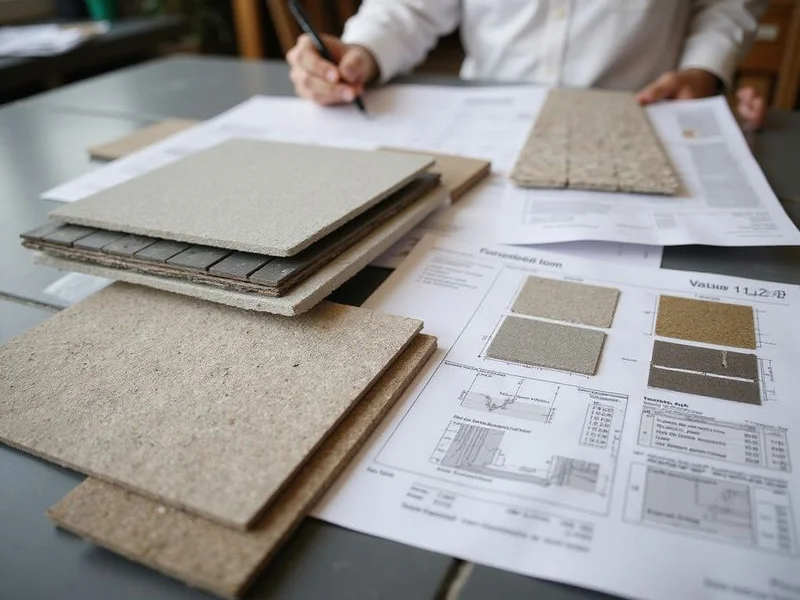
- Material substitutions - Equivalent products at lower cost (e.g., metal stud framing vs. wood in certain applications)
- System modifications - More efficient MEP designs (e.g., VRF vs. conventional HVAC in certain building types)
- Method changes - Different construction approaches (e.g., precast concrete vs. cast-in-place for certain structural elements)
- Specification adjustments - Aligning specifications with project requirements rather than over-specifying
3. Cost-Benefit Analysis
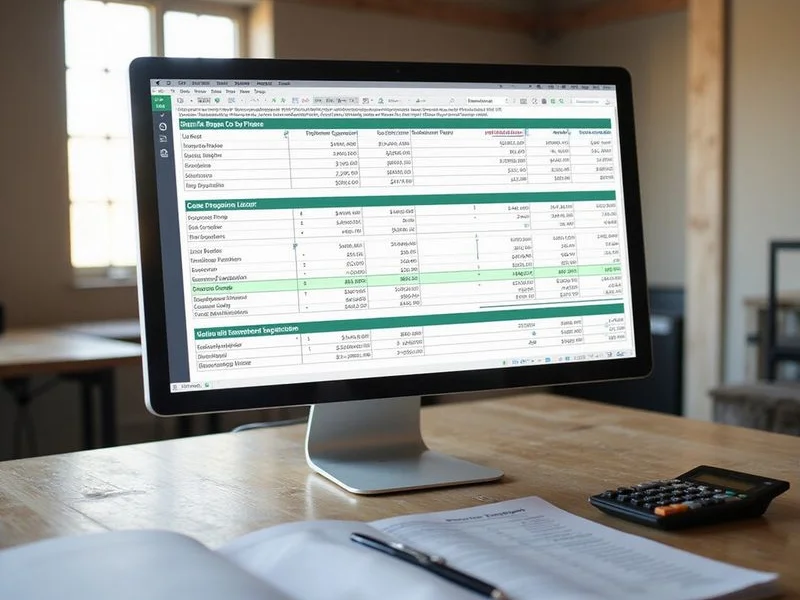
Each alternative receives a detailed cost comparison showing:
- Original cost vs. proposed alternative cost
- Net savings (or increase) for each suggestion
- Impact on schedule, quality, and performance
- Life-cycle cost implications (initial cost vs. operating cost)
- Risk assessment for each alternative
4. Recommendation Report
We deliver a prioritized list of value engineering recommendations ranked by savings potential, implementation difficulty, and risk level. This gives you a clear roadmap for cost optimization.
Common Value Engineering Wins
Based on our experience, these areas consistently yield the highest returns:
- Structural systems - Optimizing foundation design, steel connections, and concrete specifications can save 5-15% on structural costs
- MEP systems - Right-sizing equipment, optimizing ductwork routing, and evaluating system alternatives regularly saves 10-20%
- Building envelope - Specification-appropriate glazing, insulation, and cladding selections can reduce envelope costs by 10-15%
- Interior finishes - Matching finish quality to space function (back-of-house vs. public areas) saves 10-25% on finishes
- Site work - Optimizing grading, drainage, and paving designs typically saves 5-10%
The ROI of Value Engineering
Our clients typically see a return of 5-15 times the cost of our value engineering service. A $1,500 VE study on a $2 million project often identifies $30,000-$100,000 in savings, money that goes directly to your bottom line or allows you to submit a more competitive bid.
Value Engineering Questions Answered
Common questions about our value engineering services and how they help your project.
Get a Value Engineering Quote
Send us your blueprints and project details. We'll deliver a comprehensive value engineering estimate within 48-72 hours.